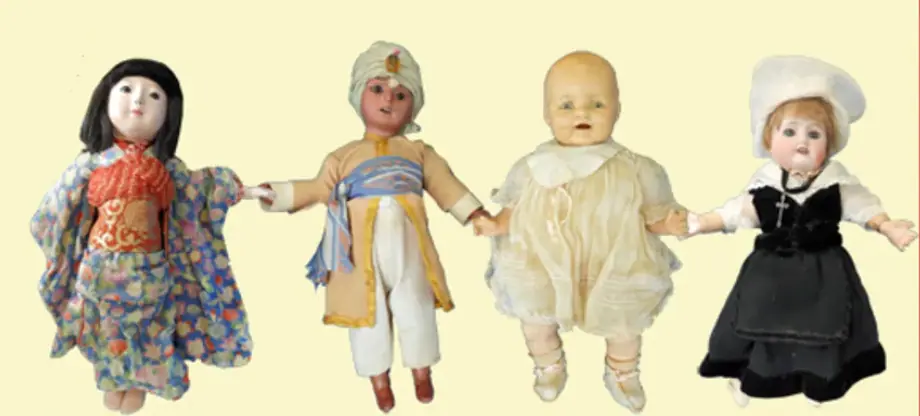
Collector resource in the CATDOLL library.
In the world of doll collecting, few categories carry as much historical weight and emotional resonance as the friendship doll. Part cultural artifact, part collector’s treasure, friendship dolls occupy a unique place at the intersection of art, diplomacy, and play. Whether you’re a seasoned BJD enthusiast or just stepping into the world of specialty dolls, understanding what friendship dolls are — and why they matter — adds a whole new dimension to your hobby.
What Is a Friendship Doll?
A friendship doll (also known as a goodwill doll or ambassador doll) is a doll specifically created or exchanged as a gesture of goodwill between individuals, communities, or nations. Unlike dolls produced purely for play or aesthetic display, friendship dolls are imbued with symbolic meaning: they represent peace, mutual respect, and the human desire for connection across cultural boundaries.
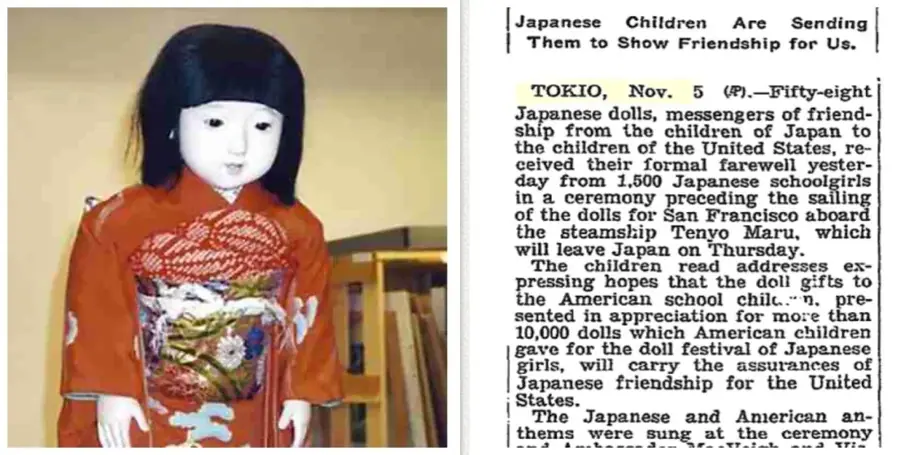
The concept is simple but profound — a doll, dressed in culturally significant garments and carrying culturally meaningful accessories, travels from one country (or community) to another as a living ambassador of its people.
The Origins: The 1927 Doll Exchange Program
The most famous chapter in friendship doll history began in 1927, when American educator and humanitarian Sidney Gulick organized a remarkable cultural exchange between the United States and Japan. Known as the “Blue-Eyed Doll” initiative (青い目の人形, Aoi Me no Ningyō), the program involved:
- 12,739 American dolls (mostly composition dolls with blue eyes and blonde hair) sent to Japanese kindergartens and elementary schools
- 58 Japanese dolls (traditional Ichimatsu dolls, meticulously crafted) sent back to the United States in return
- A mission rooted in countering rising tensions between the two nations through cultural empathy
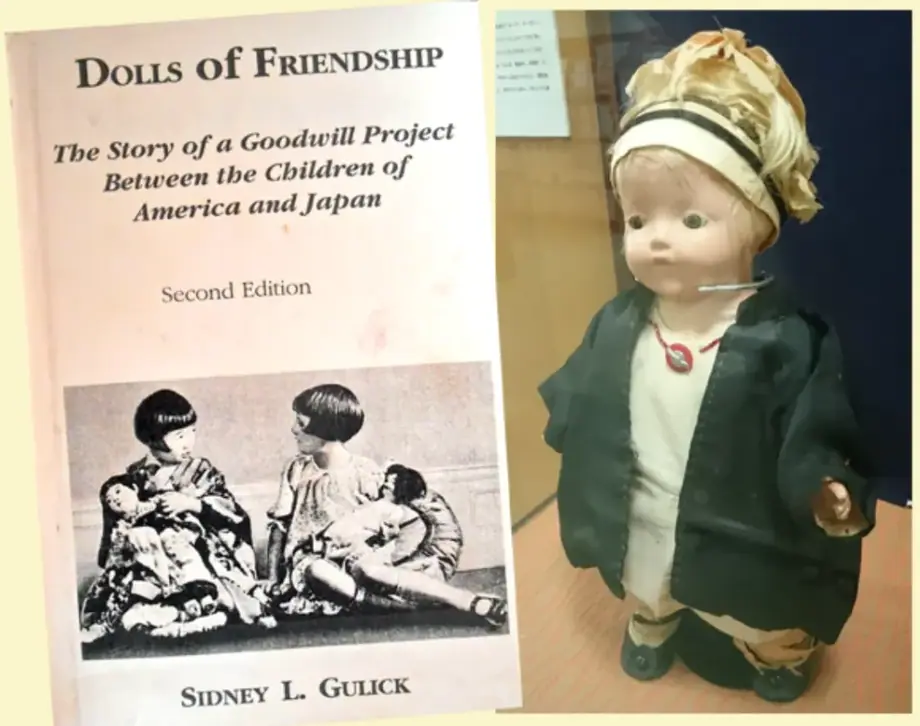
Each Japanese doll was treated as a dignitary. They arrived with passports, trunks of clothing, and accessories, and were received with ceremonies in American museums and schools. Many of these original Japanese friendship dolls are still preserved in institutions across the United States today.
Key Characteristics of Friendship Dolls
What sets friendship dolls apart from other collector dolls? Several defining features:
1. Cultural Dress & Accessories Friendship dolls are almost always dressed in garments that reflect their culture of origin — kimonos, folk costumes, traditional embroideries, or period-accurate clothing. The accessories (fans, shoes, hair ornaments, miniature instruments) are often as significant as the doll itself.
2. Artisanal Craftsmanship These dolls are not mass-produced toys. They are typically handcrafted by skilled artisans using high-quality materials, making each piece a work of art. Many are made from porcelain, bisque, silk-wrapped compositions, or — in contemporary versions — resin BJD bodies.
3. Symbolic Intent A friendship doll is always made or gifted with purpose. Whether exchanged between schools, given as a state gift, or presented at cultural festivals, the act of giving carries as much meaning as the doll itself.
4. Documentary Provenance Historic friendship dolls often come with documentation — letters, certificates, or passports — that tell the story of where they came from and who sent them.
5. Collector & Museum Value Many original friendship dolls from the 1927 exchange and similar programs are now housed in museums, making them objects of genuine historical significance.
Friendship Dolls in Modern Collector Culture
The tradition of friendship dolls has never truly faded. Today, the concept has evolved and expanded in exciting ways across the global doll community:
- BJD (Ball-Jointed Doll) exchanges between collectors in Asia, Europe, and North America often echo friendship doll traditions — dolls are dressed, gifted, or traded as tokens of community bonds.
- Pen pal doll projects on platforms like Instagram and dedicated doll forums see collectors sending dressed dolls to strangers across the world, building international friendships through the shared language of doll artistry.
- Cultural doll festivals in Japan (Hinamatsuri), Germany (doll fairs), and the United States continue to honor the tradition of dolls as cultural ambassadors.
- Reborn doll artists sometimes create friendship dolls as charitable gifts or auction pieces for cultural exchange nonprofits.
In essence, the heart of the friendship doll tradition beats strongly in today’s collector community — the impulse to share art, craft, and culture through a beautifully made figure is timeless.
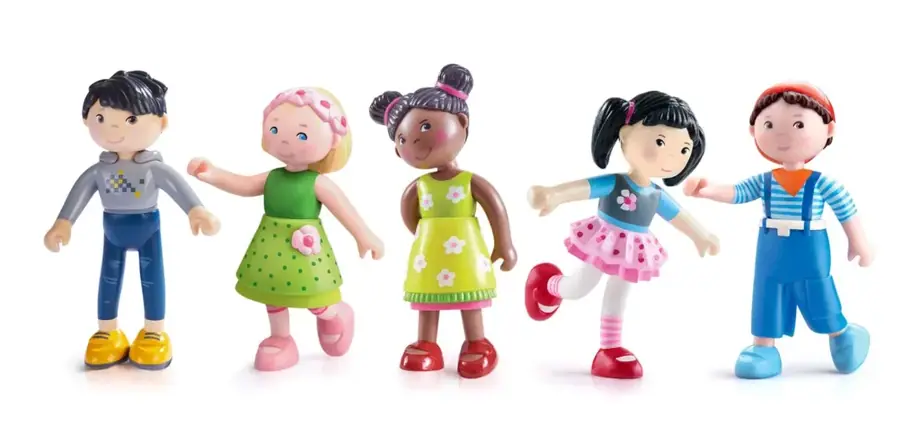
How to Dress and Style a Friendship Doll
Whether you own a historic Ichimatsu doll, a modern BJD, a Blythe doll, or a Reborn, dressing your friendship doll appropriately is key to honoring the tradition. Here are some styling principles to keep in mind:
Research the Cultural Context If your doll represents a specific culture, research authentic garment styles, color symbolism, and accessories. A Japanese friendship doll, for example, might wear a silk furisode kimono with a specific obi knot, while a European folk doll might feature hand-embroidered apron patterns.
Prioritize Quality Materials Friendship dolls deserve materials that match their dignity: natural silk, fine cotton, hand-stitched lace, or period-appropriate synthetics. Avoid cheap materials that detract from the doll’s symbolic significance.
Include Meaningful Accessories The accessories tell the story. Consider miniature cultural items: fans, floral hairpieces, tiny shoes, miniature books, or instrument replicas. These details elevate a dressed doll into a true cultural ambassador.
Maintain & Preserve If your friendship doll has historical significance, store it away from direct sunlight, use archival-safe materials, and handle garments with clean cotton gloves to preserve fabric integrity.
Why Friendship Dolls Still Matter
In an era of digital communication, the tactile, handmade nature of a friendship doll feels more meaningful than ever. They remind us that:
- Culture is best shared through craft — something made with care communicates respect across any language barrier.
- Dolls are universal — regardless of age or background, humans across cultures have always created figures in their own image.
- Connection is intentional — a friendship doll requires someone to choose materials, create with care, and send something of value. That act of intention is rare and precious.
For collectors, friendship dolls represent one of the most compelling reasons to pursue this hobby: not just for the beauty of the objects themselves, but for the human stories they carry.
Dress Your Ambassador: Explore Knewland’s Premium Doll Accessories
Outfit Your Friendship Doll with Pieces Worthy of Its Story
At Knewland, we believe every doll deserves accessories as extraordinary as the story behind it. Whether you’re styling a classic Blythe, a poseable BJD, a lifelike Reborn, or a treasured friendship doll, our curated collection of handcrafted doll accessories brings cultural richness and artisanal quality to every detail.
From elegantly tailored miniature garments and traditional-inspired accessories to delicate hair ornaments and custom outfit sets, Knewland specializes in the kind of thoughtful, high-quality pieces that transform a collector doll into a true ambassador of beauty.